


“All Scripture is given by inspiration of God, and is profitable for doctrine, for reproof, for correction, for instruction in righteousness.” 2 Timothy 3:16 (NKJV)
Over the past two weeks, we have been walking together through our March series “Abiding in Christ: Foundations of Intimacy with God.” In our first article, we explored Jesus’ invitation in John 15 to remain in Him as the Vine, discovering that spiritual life flows not from striving but from staying connected to Christ. Last week, we discussed the importance of cultivating a daily time with God, learning how consistent rhythms of prayer and Scripture create space for intimacy with Him.
This week, we take the next step in that journey by exploring an essential question many believers quietly ask: How do we hear God’s voice?
For followers of Christ, one of the most reliable and powerful ways God speaks is through His Word.
God Speaks Through His Word
When we think about hearing God’s voice, we often imagine dramatic moments or extraordinary experiences. Yet throughout Scripture, God most consistently communicates through His written Word.
The apostle Paul reminded Timothy that Scripture itself is inspired by God. The phrase “given by inspiration” in 2 Timothy 3:16 comes from the Greek word theopneustos, meaning “God-breathed.” In other words, the Bible is not merely human wisdom recorded on paper—it carries the very breath and authority of God.
When we open the Bible, we are not simply studying ancient history. We are encountering a living message through which God continues to guide, correct, encourage, and transform His people.
Hearing God’s voice through Scripture begins with recognizing that the Bible is God’s primary way of speaking to our hearts today.
Approaching Scripture Relationally
Many people approach the Bible like a textbook, focusing only on analysis and information. While understanding Scripture intellectually is important, the Bible was never intended to be read solely as an academic exercise.
It is meant to be a place of relationship.
Consider the words of the psalmist:
“Your word is a lamp to my feet and a light to my path.” Psalm 119:105 (NKJV)
Psalm 119 is the longest chapter in the Bible and is entirely devoted to celebrating the beauty and guidance of God’s Word. Written within the context of Israel’s devotion to God’s law, the psalm emphasizes that Scripture illuminates the path of life. Just as a lamp reveals the next step in darkness, God’s Word helps believers navigate daily decisions and challenges.
When we read Scripture prayerfully, we begin asking deeper questions:
What is God revealing about His character here?
What truth is the Holy Spirit highlighting in my life today?
How is this passage inviting me to respond?
Through this relational posture, the Bible becomes more than a source of information—it becomes a place of conversation with God.
Listening as You Read
Hearing God through Scripture requires more than simply reading a passage quickly. It involves slowing down and allowing God’s Word to speak into our hearts.
One helpful practice is reflective reading. Instead of racing through chapters, choose a short passage and sit with it for a few moments. Read it slowly. Notice phrases that stand out. Ask the Holy Spirit for insight.
The writer of Hebrews reminds us why this practice is powerful:
“For the word of God is living and powerful, and sharper than any two-edged sword.” Hebrews 4:12 (NKJV)
This verse was written to encourage believers who were struggling to remain faithful in the early church. The author reminds them that God’s Word is not static—it is alive and active, capable of revealing the deepest intentions of our hearts.
As we read Scripture attentively, God often uses specific words or passages to bring conviction, encouragement, or clarity. These moments are not random. They are part of how the Holy Spirit applies God’s Word personally to our lives.
Practical Ways to Hear God Through Scripture
Learning to listen to God through His Word becomes easier when we approach Scripture intentionally. Here are three simple practices that can help:
1. Begin with Prayer
Before reading the Bible, ask the Holy Spirit to guide your understanding. A simple prayer like “Lord, speak to me through Your Word today” prepares your heart to listen.
2. Read Slowly and Thoughtfully
Choose a manageable portion of Scripture rather than rushing through large sections. Focus on understanding the passage and reflecting on its meaning.
3. Respond Personally
When a verse or idea stands out, pause and respond in prayer. Thank God, ask questions, or reflect on how the passage applies to your life.
Over time, these practices help transform Bible reading into a meaningful encounter with God.
A Living Conversation
As we continue growing in our relationship with Christ, we begin to realize that hearing God’s voice is not reserved for a few spiritual experts. It is part of the everyday life of believers who open Scripture with humility and expectation.
God still speaks—most clearly and consistently through His Word.
And when we listen carefully, the Bible becomes more than a book we read. It becomes a living conversation that shapes our thoughts, guides our decisions, and draws us closer to Christ.
Next week, in the final article of our March series “Abiding in Christ,” we will explore a challenge many believers experience at some point in their journey: the barriers that can hinder intimacy with God. We will look at how distractions, spiritual dryness, and unconfessed sin can interrupt our connection with Him—and how God invites us into restoration and renewed fellowship.
Until then, may your time in Scripture become a place where you not only read God’s Word—but hear His voice speaking life into your heart.
If this series is encouraging your spiritual journey, I invite you to subscribe to the EXCEL2FAITH Newsletter to continue growing with us each week.
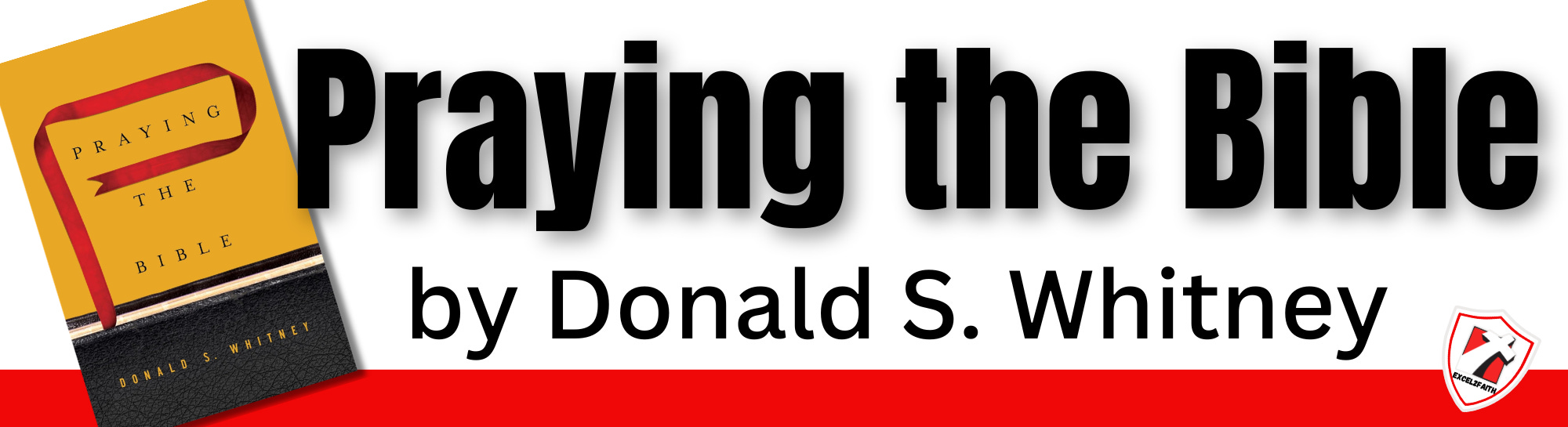
Praying the Bible
One of the greatest challenges many believers face in their devotional life is knowing how to pray consistently and meaningfully. In Praying the Bible, Donald S. Whitney offers a refreshingly simple and powerful solution: let Scripture guide your prayers. Instead of struggling with wandering thoughts or repeating the same requests, Whitney teaches readers how to pray directly through passages of the Bible—especially the Psalms—allowing God’s Word to shape the conversation.
The beauty of this approach is that it transforms Bible reading into a living dialogue with God. As we discussed in this week’s article on hearing God’s voice through Scripture, the Bible is not merely information to study but a place where we encounter the voice of God speaking into our lives. Whitney’s method helps believers slow down, listen carefully, and respond in prayer to what God reveals through His Word.
This practice turns daily devotion into something vibrant and relational. Scripture becomes the starting point, prayer becomes the response, and over time believers grow more attentive to God’s voice.
If you desire a deeper and more focused prayer life, Praying the Bible is a wonderful resource to explore. Consider purchasing this book and continue growing in your faith by subscribing to the EXCEL2FAITH Newsletter.

Heavenly Father, thank You for giving us Your Word as a living voice that guides, teaches, and draws us closer to You. Open my heart as I read Scripture, that I may listen with humility and recognize the wisdom and truth You are speaking into my life. Help me slow down, quiet my thoughts, and meet You in the pages of Your Word each day. May Your voice shape my faith, strengthen my spirit, and deepen my relationship with You as I seek You more faithfully in prayer and in Scripture. Amen.