
“And when He has come, He will convict the world of sin, and of righteousness, and of judgment.” John 16:8 (NKJV)
There are moments in our walk with God when something inside us will not let us remain comfortable.
Maybe it is something we said. An attitude we allowed to grow. A decision we know was wrong. Perhaps it is something less obvious, like pride, resentment, impatience, or an unwillingness to forgive.
We feel that uncomfortable stirring within us, and our first instinct may be to think, God must be disappointed in me.
But what if that discomfort is not God pushing you away?
What if it is the Holy Spirit lovingly drawing your attention to something because He intends to help you grow?
Conviction Is Evidence of Relationship
Throughout our August series, we have been learning what it means to walk in the Spirit.
We began by understanding who the Holy Spirit is, not merely a power or influence, but the Person of God dwelling within the believer. Then we explored what it means to be led by the Spirit, learning to recognize and respond to His guidance. Last week, we saw how that relationship begins producing spiritual fruit, changing us from the inside out.
But transformation also requires correction.
Jesus explained that part of the Spirit’s ministry would be conviction. In John 16, He prepared His disciples for His departure and explained the coming ministry of the Holy Spirit. Conviction, therefore, was never presented as divine rejection. It was part of God’s continuing work in people’s hearts.
David understood the value of allowing God to reveal what needed changing:
“Search me, O God, and know my heart; try me, and know my anxieties; and see if there is any wicked way in me, and lead me in the way everlasting.” Psalm 139:23–24 (NKJV)
That is an extraordinarily courageous prayer.
David was essentially saying, Lord, show me what I cannot see about myself.
Spiritual maturity begins when we stop asking God merely to change our circumstances and become willing to let Him change us.
Conviction and Condemnation Are Not the Same
This distinction matters because many believers confuse the two.
Condemnation says, “You failed. This is who you are.”
Conviction says, “This is wrong. Let Me help you change.”
Condemnation focuses on shame. Conviction points toward restoration.
Paul wrote to believers in Rome:
“There is therefore now no condemnation to those who are in Christ Jesus.” Romans 8:1 (NKJV)
Paul was not suggesting that Christians never sin or never require correction. Romans 8 describes life through the Spirit after Paul has openly wrestled with the reality of sin in Romans 7.
His message is powerful: God can confront what is wrong in us without rejecting us.
Think about Peter after denying Jesus three times. Peter had failed publicly and painfully. Yet Jesus did not discard him. After the resurrection, Jesus restored Peter and asked him three times, “Do you love Me?” before entrusting him again with responsibility for His people (John 21:15–17).
Jesus addressed Peter’s failure, but He did not define Peter by it.
That is what grace does.
The Holy Spirit Corrects What He Is Growing
Sometimes we pray for spiritual growth while resisting the very correction necessary to produce it.
We ask God for patience, but become defensive when He exposes our impatience. We ask for humility, then resist when pride is revealed. We ask Him to make us more loving while holding tightly to resentment.
Yet Scripture tells us:
“For whom the LORD loves He corrects, just as a father the son in whom he delights.” Proverbs 3:12 (NKJV)
Notice the connection between correction and delight.
God’s correction is not evidence that He has stopped loving us. Biblical correction flows from relationship.
The writer of Hebrews develops the same truth, explaining that God’s discipline ultimately produces something valuable:
“Nevertheless, afterward it yields the peaceable fruit of righteousness to those who have been trained by it.” Hebrews 12:11 (NKJV)
There is our word again: fruit.
Last week we talked about the fruit of the Spirit. This week we discover that sometimes God cultivates that fruit by showing us what is preventing it from growing.
That may be uncomfortable.
But uncomfortable does not mean unhealthy.
Respond Instead of Running
When the Holy Spirit brings something to your attention, you really have two choices: resist Him or respond to Him.
The healthier response is not endless guilt. It is confession, repentance, and movement forward.
John assured early believers:
“If we confess our sins, He is faithful and just to forgive us our sins and to cleanse us from all unrighteousness.” 1 John 1:9 (NKJV)
Notice what happens after confession.
Forgiveness.
Cleansing.
Restoration.
So when conviction comes, pause before automatically assuming God is angry with you. Ask instead:
Holy Spirit, what are You showing me? What needs to change? And what would obedience look like from here?
Then listen.
Perhaps you need to apologize. Forgive someone. Change a habit. Admit that you were wrong. Release an attitude. Walk away from something that has quietly gained too much influence over your heart.
Whatever He reveals, take the next faithful step.
Walking in the Spirit does not mean reaching a point where we no longer need correction. It means becoming increasingly willing to receive it.
This week, do not run from conviction. Invite the Holy Spirit to search your heart. When He reveals something, bring it to God honestly, receive His grace, and take one deliberate step of obedience.
Correction in God’s hands is not the end of the story.
Sometimes it is exactly where growth begins.

60-Second Faith Challenge: Conviction or Condemnation?
Can you tell the difference? Read each statement and write C for Conviction or D for Condemnation. Don’t overthink it!
_____ “You failed again. God must be disappointed in you.”
_____ “What you did was wrong. Admit it, receive God’s forgiveness, and make it right.”
_____ “You’ll never change. This is simply who you are.”
_____ “That attitude does not reflect Christ. Let’s deal with it and grow.”
_____ “You should be ashamed to come to God after what you’ve done.”
_____ “Come back to Me. Confess it, receive My grace, and take the next faithful step.”
BONUS CHALLENGE
Complete this week’s truth without looking back at the article:
“There is therefore now no __________________ to those who are in __________________ __________________.”
Romans 8:1 (NKJV)
Answer Key: 1-D | 2-C | 3-D | 4-C | 5-D | 6-C
Bonus: condemnation | Christ Jesus
Take It With You:
The next time you feel spiritually convicted, ask yourself: “Is this drawing me toward God and change, or pushing me toward shame and hiding?”
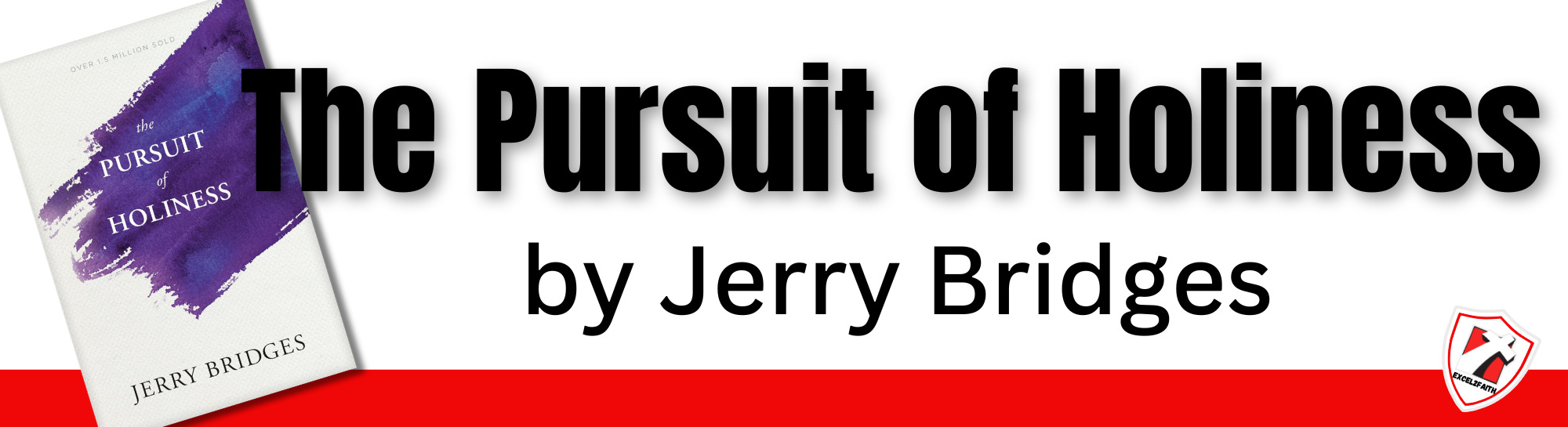
What does it really mean to live a holy life? In The Pursuit of Holiness, Jerry Bridges reminds us that holiness is not reserved for pastors, missionaries, or exceptionally disciplined Christians. It is God’s desire for every believer who wants to grow closer to Him.
Bridges approaches holiness with refreshing practicality. He explains that while God transforms us through His Spirit, we also have a responsibility to respond to what God reveals. Spiritual growth requires surrender, obedience, and a willingness to confront habits and attitudes that no longer belong in a life devoted to Christ.
That message connects beautifully with “Conviction and Growth: When the Holy Spirit Loves You Enough to Correct You.” When the Holy Spirit exposes something that needs changing, His conviction is not an invitation to shame. It is an invitation to growth. As Bridges helps us understand, holiness develops as we stop excusing what God is revealing and begin cooperating with His transforming work.
This book will challenge you, but it will also encourage you. Holiness is not about achieving spiritual perfection. It is about increasingly choosing God’s way and allowing Him to shape your character.
Ready to deepen your walk with God? Purchase The Pursuit of Holiness and begin your journey toward a life increasingly shaped by His presence. Then subscribe to the EXCEL2FAITH Newsletter for weekly biblical encouragement and practical guidance for your faith journey.